Category: IELTS

IELTS Result Check 2026 guide showing steps to check IELTS scores online

IELTS Result Check 2026: How to Check IELTS Result Online 
TL;DR

  • This blog is designed for IELTS test-takers, including students, professionals, and immigration applicants, who want to check IELTS result online quickly and accurately without confusion.
  • It explains how to check IELTS result online through both IDP IELTS and British Council with simple, easy-to-follow steps.
  • The blog clearly outlines IELTS result check time for different test types, helping users know exactly when to check IELTS result without unnecessary waiting.
  •  It covers common issues like IELTS result not showing, login problems, and delays, ensuring users can resolve any check IELTS result problems بسهولة.
  • With tips, comparisons, and clarity on provisional vs official results (TRF), the blog helps users check IELTS result online confidently and use their scores correctly for future applications.

Related Blogs

Introduction

Want to check your IELTS result quickly without confusion? Many test-takers search for simple and accurate ways to check IELTS result without navigating multiple portals or unclear instructions. Whether you recently appeared for the exam or are waiting for your scores, understanding the correct process to check IELTS result online can save time and avoid unnecessary stress.

In this guide, you’ll learn exactly how to check IELTS result using official methods, including both IDP and British Council platforms. We’ll walk you through each step in a clear, practical way so you can access your score without errors. No matter if you’re trying to check IELTS result online for the first time or just need a quick refresher, this guide covers everything you need in one place.

IELTS Result Check

You can check IELTS result online through the official portals of IDP IELTS or British Council by entering key details such as your passport number, date of birth, and test date. This is the quickest and most reliable method to check IELTS result securely without needing to visit your test centre.

If you’re searching for how to check IELTS result online, the process is straightforward: access the correct portal based on your test provider, enter your credentials exactly as used during registration, and your score will be displayed instantly once released. Most candidates can check IELTS result online within 1–13 days after the exam, depending on the test type. Computer-based IELTS results are typically available within 1–3 days, while paper-based tests may take up to 13 days.

Make sure you use the correct details when trying to check IELTS result, as even small mismatches can prevent your result from appearing. Once available, your online score acts as a provisional result until you receive the official Test Report Form (TRF).

IELTS Result Release Time (2026 Updated)

Understanding the IELTS result check time is important so you know exactly when to check IELTS result online without unnecessary delays or confusion. The release time depends on the type of test you have taken.

Result Timeline by Test Type

Test TypeResult Time
Computer-based IELTS1–3 days
Paper-based IELTS13 days
UKVI IELTS3–5 days

If you’re planning to check IELTS result, computer-based exams are the fastest option, with results often available within just a couple of days. On the other hand, paper-based tests follow a fixed schedule and typically take the full 13 days.

What Can Cause Delays?

While most candidates can check IELTS result online within the expected timeframe, some situations may delay your result:

  • High test volume periods (peak months like May–August and November–December)
  • Verification checks if your test requires additional review
  • Public holidays or weekends affecting processing time
  • Incorrect details entered when trying to check IELTS result

If your result is not available within the expected IELTS result check time, it is recommended to wait at least 24–48 hours before contacting your test centre.

When Should You Check Your IELTS Result?

To avoid repeated logins, the best approach is to check IELTS result online starting from the earliest expected release day based on your test type. Make sure you have your passport number and test details ready to quickly access your score once it is published.

How to Check IELTS Result Online Step-by-Step Guide

If you’re wondering how to check IELTS result online, the process is simple once you use the correct official portal and enter your details accurately. Whether you booked your test through IDP IELTS or British Council, you can check IELTS result online in just a few steps.

Before you begin, make sure you have the same details you used during registration, such as your passport number, date of birth, and test date. Entering incorrect information is one of the most common reasons candidates are unable to check IELTS result successfully.

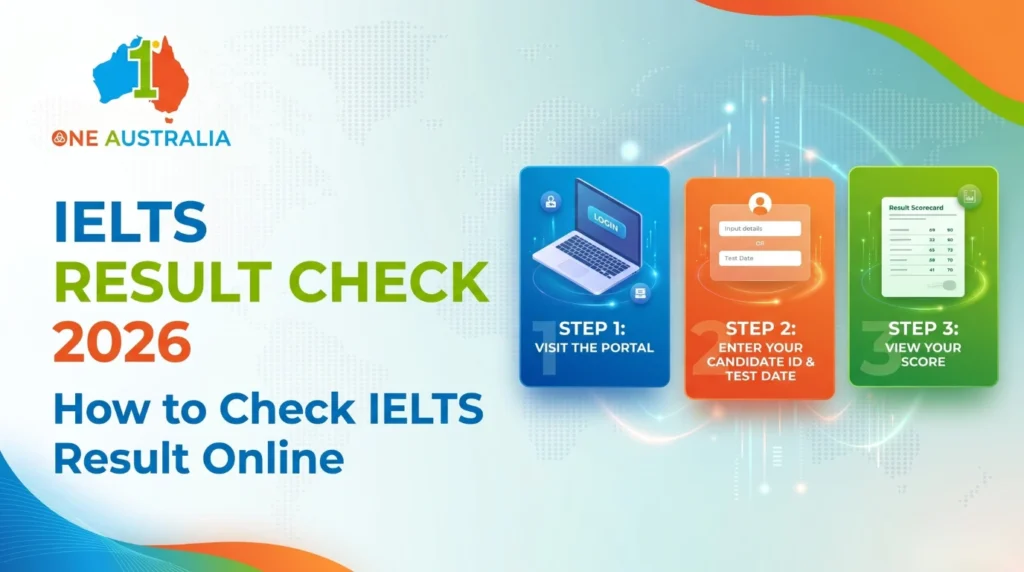
Step-by-Step Process to Check IELTS Result Online

  1. Visit the official IELTS result portal of your test provider (IDP or British Council).
  2. Enter your required details:
    • Full name (exactly as registered)
    • Passport or ID number
    • Date of birth
    • Test date
  3. Submit the form by clicking on “Check Result” or “View Results.”
  4. Your IELTS score will appear on the screen once it is available.

This method is the fastest way to check IELTS result online and is accessible from both desktop and mobile devices. Keep in mind that the online result is provisional and meant for immediate viewing. The official Test Report Form (TRF) will be issued separately and should be used for formal purposes like university or visa applications.

By following these steps carefully, you can check IELTS result without errors and access your scores as soon as they are released.

Method 1 – IELTS Result Check via IDP IELTS

If you booked your test through IDP, this is the fastest way to check IELTS result online using your registration details. Follow these steps carefully to avoid errors while accessing your score.

Steps to Check IELTS Result via IDP

  1. Visit the official IDP IELTS result portal.
  2. Enter the required details exactly as used during registration:
    • Full name
    • Passport or ID number
    • Date of birth
  3. Select your test date from the available options.
  4. Click on the “Check Results” button.
  5. Your IELTS score will be displayed on the screen once available.
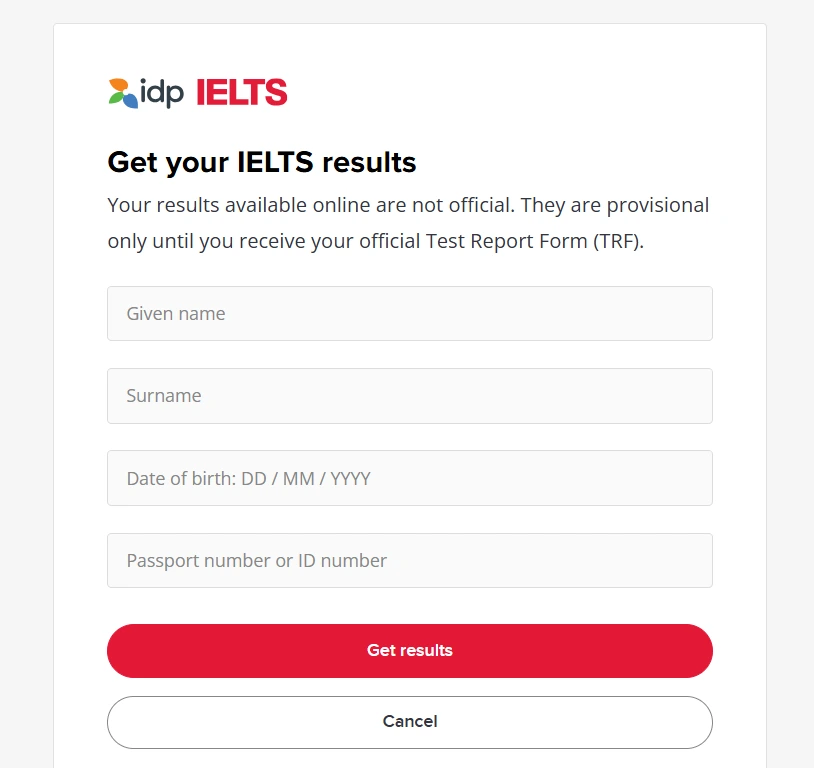
This method allows you to check IELTS results online instantly without needing to log in with a password. Make sure all details match your original application, as even small differences can prevent your result from appearing.

Important Note: The online result is provisional and should only be used for reference. Your official Test Report Form (TRF) will be issued separately and is required for university admissions, visa applications, and other formal purposes.

Method 2 – IELTS Result Check via British Council

If you registered for your exam through the British Council, you’ll need to log in to your test taker account to check IELTS result online. This method is slightly different from IDP, as it requires your login credentials instead of just basic details.

Steps to Check IELTS Result via British Council

  1. Visit the official British Council test taker portal.
  2. Log in using your registered email ID and password.
  3. Navigate to the “My Results” or dashboard section.
  4. Click on your test record to view your score.
  5. Download or view your IELTS result directly from the portal.

This is a secure way to check IELTS result, especially if you want to access additional details or download your score later. Make sure you use the same email ID that you used during registration, as this is essential to successfully check IELTS result online.

If you’re trying to check IELTS result and cannot log in, use the password reset option or verify your account details. Many candidates face issues due to incorrect login credentials, so double-check before attempting again.

By following these steps, you can easily complete your IELTS check result process and access your scores without delays.

Check IELTS Result Online via Mobile App

If you prefer a faster and more convenient way to check IELTS result online, using the mobile app is a smart option. The IDP IELTS app allows you to access your scores directly from your phone, making the IELTS result check app experience smoother compared to repeatedly logging in through a browser.

How to Check IELTS Result via IDP Mobile App

  1. Download the official IDP IELTS app from your device’s app store.
  2. Open the app and log in using your registered details.
  3. Navigate to your test dashboard.
  4. Tap on your test to view your result.

Once your scores are released, you can check IELTS result online instantly through the app without needing to visit the website.

Get Instant Result Notifications

One of the biggest advantages of using the IELTS result check app is real-time updates. Instead of manually checking multiple times, the app can notify you as soon as your result is available. This helps you stay updated without missing your result release window.

Benefits of Using the Mobile App vs Website

  • Faster access: No need to re-enter details every time
  • Instant notifications: Get alerts when results are published
  • Better convenience: Access results anytime, anywhere
  • User-friendly interface: Simplified navigation compared to web portals

If you want a hassle-free way to check IELTS result online, the mobile app is especially useful for quick access and timely updates.

IELTS Result Not Showing? 

Facing issues while trying to check IELTS result online is quite common, especially during peak result days. If your IELTS result is not showing, don’t panic, most problems are temporary and can be resolved with a few quick checks.

IELTS Result Not Showing

If you are unable to see your score after logging in:

  • Double-check your passport or ID number (must match exactly with registration)
  • Ensure you selected the correct test date
  • Wait 24–48 hours after the expected release time
  • Try refreshing the page or using a different browser/device

Many candidates experience this IELTS result not showing issue simply due to minor detail mismatches or early login attempts.

Login Issues While Trying to Check IELTS Result

If you cannot log in to check IELTS result online:

  • Reset your password using the “Forgot Password” option
  • Make sure you are using the correct portal:
    • IDP IELTS
    • British Council
  • Use the same email ID or credentials used during registration

Login-related errors are one of the most frequent check IELTS result problems, especially for British Council users.

 IELTS Result Delayed

If your result is still not available within the expected IELTS result check time:

  • Wait an additional 24–48 hours (delays can happen)
  • Check your email for any official updates
  • Contact your test centre for clarification

Delays may occur due to verification checks, high test volume, or administrative processing.

By following these steps, you can resolve most issues related to IELTS result not showing and successfully check IELTS result without unnecessary stress.

Is IELTS Online Result Official?

When you check IELTS result online, the score you see is not the final official document. It is a provisional result provided for quick reference so you can immediately know your band scores.

The official IELTS result is issued as a Test Report Form (TRF) by organizations like IDP IELTS and British Council. This is the document accepted by universities, immigration authorities, and employers.

Key Difference

  • Online IELTS result: Provisional, for quick viewing after you check IELTS result online
  • TRF (Test Report Form): Official, authenticated document used for all formal purposes

Important Points to Remember

  • You can use the online score to get an early idea of your performance, but it should not be submitted as official proof.
  • The TRF is usually available a few days after your result is released.
  • Some institutions may accept electronic score verification directly from the test provider, but the TRF remains the standard official format.

If you’re specifically looking for IELTS result check official confirmation, always rely on the TRF rather than the online preview.

Pro Tips for Checking IELTS Result

To check IELTS result online smoothly and avoid common mistakes, follow these practical tips. They not only save time but also improve accuracy when accessing your scores.

  • Take a screenshot immediately: Once you check IELTS result, save a screenshot for quick reference. This is useful in case you face login issues later or need to recall your scores quickly.
  • Use correct login details: Always enter your name, passport number, and other details exactly as provided during registration. Even small mismatches can prevent you from accessing your result.
  • Check your email and spam folder: Both IDP IELTS and British Council often send result notifications via email. Sometimes these emails may land in the spam or promotions folder.
  • Keep your passport or ID handy: Since most portals require identity verification, having your document ready makes it easier to check IELTS result online without delays.
  • Avoid repeated login attempts: If your result is not yet available, wait for the official release window instead of trying multiple times, which can lead to confusion or temporary access issues.

Following these tips ensures a smooth and error-free experience when you check IELTS result, while also helping you access your scores as soon as they are released.

IDP vs British Council Result Checking (Comparison Table)

When you plan to check IELTS result online, the process slightly differs depending on whether you booked through IDP IELTS or British Council. Understanding these differences can help you complete your IELTS result check faster and without confusion.

Key Differences in IELTS Result Checking

FeatureIDPBritish Council
Login MethodPassport / ID detailsEmail ID & password
Result AccessDirect form-based accessAccount dashboard login
Result SpeedFast (especially for computer-based tests)Standard release timeline
Mobile App AvailabilityYes (dedicated IELTS app)Limited / not widely used
Ease of AccessSimple, no password requiredRequires account login

Which One Is Easier?

  • IELTS result check IDP is generally quicker for users who prefer a simple form-based process without remembering login credentials.
  • IELTS result check British Council is more account-based, which can be useful if you want to track history and download results anytime.

Both methods are reliable, and your choice depends on where you registered for the exam. Regardless of the provider, always use official portals and correct details to check IELTS result online securely.

Conclusion

Checking your IELTS result is a simple and straightforward process when you follow the correct steps. Whether you choose to check IELTS result online through IDP IELTS or British Council, all you need are the right details and awareness of the result release timeline.

If your result is already available, don’t wait, check IELTS result online now using the official portal to avoid delays or confusion. Make sure you enter your information accurately and use only trusted platforms to access your scores securely.

With the clear steps, timelines, and solutions covered in this guide, you can confidently complete your IELTS result check without errors and stay fully prepared for your next steps, whether it’s university applications, visa processing, or career planning.

FAQs – IELTS Result Check

How to check IELTS result online?

To check IELTS result online, visit the official portal of IDP IELTS or British Council and enter your required details such as passport number, date of birth, and test date. If you booked through the British Council, you will need to log in using your registered email and password. Once results are released, you can check IELTS result online instantly and view your band scores without visiting a test centre.

Can I check IELTS result with passport number?

Yes, you can easily check IELTS result with your passport number, especially if you are using the IDP portal. Along with your passport number, you will also need to enter your full name and date of birth. Make sure all details match exactly with your registration to successfully complete your IELTS result check without errors.

When can I check IELTS result?

You can check IELTS result online based on your test type. For computer-based tests, results are usually available within 1–3 days, while paper-based tests take around 13 days. UKVI IELTS results are typically released within 3–5 days. Knowing the correct IELTS result check time helps you avoid checking too early and ensures a smoother experience.

Why is my IELTS result not showing?

If your IELTS result is not showing, it is often due to incorrect details, early login attempts, or temporary system delays. Double-check your passport number and other information before trying again. In most cases, waiting 24–48 hours resolves the issue, allowing you to check IELTS result online successfully without further problems.

Can I check IELTS result without candidate number?

Yes, you can check IELTS result without a candidate number in most cases. Platforms like IDP allow you to access your result using your passport number, full name, and date of birth. This makes the IELTS check result process easier, even if you don’t have your candidate number available.

Is IELTS result available online or only via TRF?

You can check IELTS result online for quick access to your scores, but this version is provisional. The official document is the Test Report Form (TRF), which is issued by IDP IELTS or British Council and is required for universities, immigration, and other formal purposes.
IELTS Writing Task 1 Academic + General Complete Guide 2026

IELTS Writing Task 1 (Academic + General) Complete Guide 2026

TL;DR

  • This blog targets IELTS candidates preparing for both IELTS academic writing task 1 and IELTS general writing task 1, helping them understand exam format, question types, structure, and scoring strategies to achieve a higher band score in the IELTS Writing test.
  • The blog provides a complete breakdown of IELTS writing task 1, including exam format, time management, word limit, and differences between academic and general task types, making it easier for students to understand what examiners expect.
  • It explains IELTS academic writing task 1 in depth, covering all question types such as line graphs, bar charts, pie charts, tables, process diagrams, and maps, along with specific strategies to improve task achievement and coherence.
  • The blog also covers IELTS general writing task 1 in detail, including types of letters (formal, semi-formal, informal), structure, tone rules, and common mistakes that students make while writing letters in the exam.
  • It includes practical learning tools such as band 5 to band 9 upgrade techniques, sample answers, mistake analysis, and FAQs, making it a complete IELTS writing task 1 guide for improving vocabulary, grammar, and overall writing performance.

Related Blogs 

Introduction 

IELTS Writing Task 1 is one of the most important components of the IELTS exam, designed to assess a candidate’s ability to present and summarise visual or textual information in a clear and structured way. In this task, test takers are required to describe data, trends, processes, maps, or write letters depending on the test type. A strong performance in IELTS writing task 1 plays a crucial role in achieving a high overall band score.

There are two versions of this task: IELTS academic writing task 1 and IELTS general writing task 1. In the academic version, candidates are asked to analyse and report visual data such as graphs, charts, tables, and diagrams. In the general version, candidates are required to write a letter based on a given situation, which may be formal, semi-formal, or informal. Although both formats assess writing ability, the approach, tone, and structure differ significantly.

Understanding IELTS writing task 1 is essential because it directly impacts your writing band score, especially in the areas of task achievement, coherence, vocabulary, and grammar. Many candidates struggle with this task due to poor structure, lack of overview, and difficulty in paraphrasing information accurately. As a result, even students with good English often fail to achieve their target band score.

A clear understanding of IELTS writing task 1 academic and IELTS general writing task 1 requirements helps candidates avoid common mistakes and improve their overall performance in the exam.

IELTS Writing Task 1 Overview

IELTS task 1 writing is a compulsory section of the IELTS Writing test that assesses a candidate’s ability to present information clearly, accurately, and logically within a limited time. In this task, candidates are expected to write at least 150 words based on given input such as visual data or a situation prompt, depending on the test module.

The recommended time to complete IELTS Writing Task 1 is around 20 minutes. Although there is no strict time limit per task, managing time effectively is essential because Task 1 contributes significantly to the overall writing band score. Candidates are advised to complete Task 1 first and leave sufficient time for IELTS Writing Task 2, which carries more weight in scoring.

There are two versions of this task. In IELTS writing task 1 academic, candidates are given visual information such as line graphs, bar charts, pie charts, tables, maps, or process diagrams. The task requires summarising key trends, comparisons, and important features without adding personal opinion. In contrast, IELTS general writing task 1 requires candidates to write a letter based on a given situation. The letter may be formal, semi-formal, or informal depending on the context, and it assesses the ability to communicate effectively in everyday situations.

Understanding the format of IELTS task 1 writing is essential for achieving a high band score, as it directly evaluates task response, coherence, vocabulary, and grammatical accuracy.

IELTS Academic Writing Task 1 Explained

IELTS academic writing task 1 is designed to evaluate how effectively a candidate can describe, summarise, and report visual information in a clear and structured format. Unlike opinion-based writing, this task focuses entirely on factual description, data interpretation, and logical presentation of information. Candidates must avoid personal opinions and instead focus on highlighting key features, trends, and comparisons.

Question Types in Academic Task 1

In IELTS writing task 1 academic, candidates may be given different types of visual information. Each question type requires a slightly different approach, but the core skill remains the same: identifying key trends and presenting them clearly.

Common question types include:

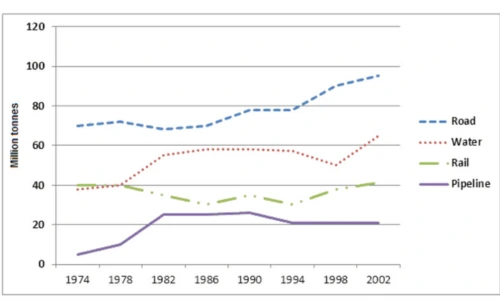
  • Line graph – shows changes over time and requires trend analysis
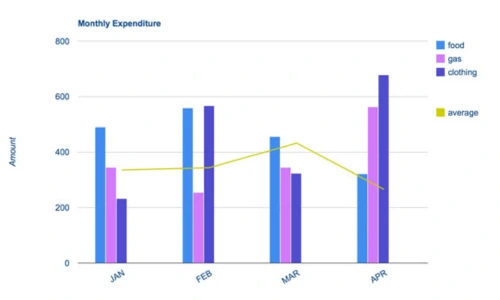
  • Bar chart – compares categories or groups of data
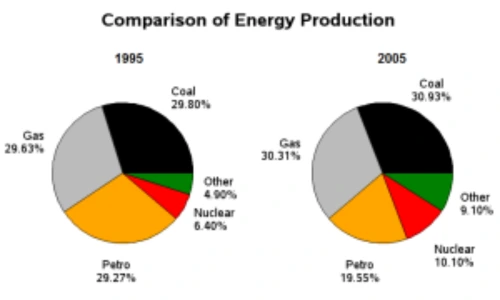
  • Pie chart – presents proportions or percentages of a whole
  • Table – displays numerical data in rows and columns for comparison
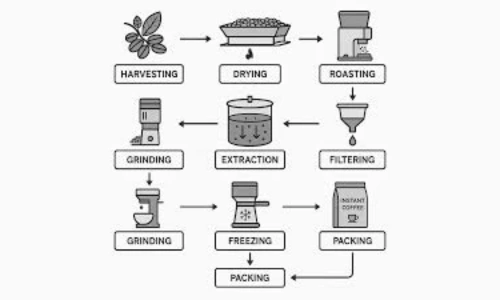
  • Process diagram – explains stages of a process or cycle in sequence
  • Map – shows changes in a place over time or compares two locations

Each of these question types tests the ability to select relevant information rather than describe everything.

What Examiner Expects in IELTS Academic Writing Task 1 ?

In IELTS academic writing task 1, examiners assess how well candidates can interpret and present visual data using appropriate academic language and structure. The key assessment areas include:

Overview Writing:
A clear summary of the main trends or overall picture is essential. This is one of the most important elements for achieving a higher band score.

Data Comparison:
Candidates must compare relevant data points rather than listing information separately. Effective comparison shows logical thinking and coherence.

No Opinion Writing:
Personal opinions, reasons, or assumptions must not be included. The task is purely descriptive and data-based.

Accurate Trend Description:
Candidates are expected to describe increases, decreases, fluctuations, and stability using precise vocabulary and correct grammar.

Mastering these expectations in IELTS writing task 1 academic is essential for achieving a Band 7 or higher, as performance is heavily based on clarity, accuracy, and organization.

Strategy for Each Question Type (IELTS Writing Task 1 Academic)

In IELTS academic writing task 1, success does not depend only on grammar or vocabulary, but on how effectively you interpret and organise visual information. Each question type requires a different strategy, and applying the correct approach helps improve coherence, task achievement, and overall band score.

Line Graph → Trend Grouping Method

For line graphs in IELTS writing task 1 academic, the key is to avoid describing each point separately. Instead, group data based on similar trends such as upward movement, downward movement, or stability. This helps create a clear comparison between major patterns over time. Focus on overall changes rather than minor fluctuations.

Bar Chart → Comparison Prioritisation

In bar chart questions, the examiner expects clear comparisons between categories. The best strategy is to prioritise the highest and lowest values first, then group similar data together. This approach ensures logical flow and prevents simple listing of figures, which can lower your score in IELTS academic writing task 1.

Pie Chart → Percentage Ranking System

For pie charts, the most effective strategy is ranking segments from largest to smallest. This allows you to highlight dominant proportions and significant differences. Avoid describing every segment equally; instead, focus on major contrasts and group smaller categories when necessary to maintain clarity.

Table → Data Selection Filtering

Tables often contain large amounts of information. In IELTS writing task 1 academic, you should not describe everything. Instead, filter the most important data points, such as highest, lowest, and notable comparisons. Grouping related figures helps improve readability and coherence.

Process → Step Sequencing

For process diagrams, accuracy in sequence is critical. Describe each stage in order using clear linking words such as “first,” “next,” “then,” and “finally.” Passive voice is commonly used here because the focus is on the process, not the person performing it. Maintaining logical flow is essential for high scoring responses.

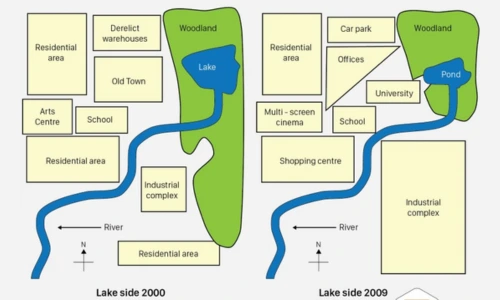
Map → Spatial Vocabulary System

Map questions require strong spatial language rather than numerical description. Use directional vocabulary such as “north,” “south,” “adjacent to,” “next to,” and “opposite.” Compare changes over time or differences between two maps by focusing on developments, expansions, or replacements.

IELTS General Writing Task 1 Explained

IELTS general writing task 1 focuses on assessing a candidate’s ability to communicate effectively in everyday and practical situations through letter writing. Unlike IELTS academic writing task 1, which is data-based, this task evaluates how well you can adjust tone, structure, and language according to the given situation. The response must be at least 150 words and written in a clear, logical format.

3.1 Types of Letters in IELTS General Writing Task 1

In IELTS general writing task 1, candidates are required to write different types of letters depending on the situation provided in the question. Understanding the tone and purpose of each type is essential.

Formal Letter:
Used when writing to someone you do not know personally, such as a company manager, government office, or service provider. The language must be polite, professional, and structured.

Semi-Formal Letter:
Used when writing to someone you know in a professional or respectful context, such as a landlord, colleague, or teacher. The tone is balanced between formal and friendly.

Informal Letter:
Used when writing to friends or family members. The language is relaxed, conversational, and may include personal expressions.

3.2 Structure of IELTS General Writing Task 1

A well-structured response is essential in IELTS task 1 writing, as it directly affects coherence and task achievement scores.

Opening Greeting:
Begin with an appropriate salutation depending on the letter type (e.g., Dear Sir/Madam or Dear John).

Purpose Statement:
Clearly state the reason for writing in the first paragraph. This helps the examiner understand the intent of the letter immediately.

Body Paragraphs:
Develop the main ideas in two paragraphs, providing relevant details, explanations, or requests based on the question prompt.

Closing Statement:
End the letter appropriately with a closing sentence and sign-off that matches the tone of the letter.

3.3 Tone Rules (Very Important in IELTS General Writing Task 1)

Tone plays a critical role in IELTS general writing task 1, as incorrect tone usage can significantly reduce your band score.

Formal vs Informal Language Usage:
Formal letters require polite and structured language, while informal letters allow contractions, phrasal expressions, and a conversational tone.

Common Mistakes Students Make:

  • Using informal language in formal letters
  • Overly complex vocabulary in informal letters
  • Incorrect greetings or sign-offs
  • Mixing tones within the same letter
  • Lack of clarity in purpose statement

Mastering tone control is essential for performing well in IELTS task 1 writing, as examiners carefully assess whether the writing style matches the context of the question.

IELTS Writing Task 1: Academic vs General Comparison

Understanding the difference between IELTS academic writing task 1 and IELTS general writing task 1 is essential for selecting the correct approach, tone, and structure in the exam. Many candidates lose marks because they apply the wrong strategy to the wrong task type, which directly affects task achievement and coherence scores.

Comparison Table

FeatureAcademic Writing Task 1General Writing Task 1
FormatGraphs, charts, tables, maps, process diagramsLetters
ToneFormal and objectiveFormal, semi-formal, or informal
PurposeData description and analysisCommunication for a real-life situation
VocabularyAnalytical and data-focused languageContext-based and situation-specific language

Explanation of Key Differences

In IELTS academic writing task 1, candidates are required to describe visual information such as graphs, charts, tables, maps, or process diagrams. The focus is entirely on summarising data, identifying key trends, and making comparisons without adding personal opinions. The tone must remain formal and objective throughout, and the language used should be analytical, focusing on accuracy and clarity.

In contrast, IELTS general writing task 1 focuses on letter writing. Candidates must respond to a given situation, which may involve requesting information, explaining a problem, or providing details. The tone can vary depending on the context of the letter, ranging from formal to informal. Unlike the academic version, this task requires communication skills rather than data interpretation.

Another major difference lies in vocabulary usage. IELTS writing task 1 academic requires precise, data-driven language to describe trends and changes, while IELTS general writing task 1 uses more practical and situational vocabulary based on everyday communication.

Understanding these differences is crucial for choosing the correct writing strategy and achieving a high band score in the IELTS task 1 writing section.

IELTS Task 1 Writing Structure (Band 7–9 Formula)

A clear and well-organised structure is one of the most important factors in achieving a high band score in IELTS writing task 1. Whether you are attempting IELTS academic writing task 1 or IELTS general writing task 1, following a consistent structure ensures better coherence, task achievement, and readability. Below are the proven Band 7–9 structures for both formats.

5.1 Academic Writing Task 1 Structure

In IELTS writing task 1 academic, your response must focus on describing visual data logically and objectively. A strong structure helps you select and present key information effectively.

Introduction (Paraphrase):
Rewrite the question statement in your own words without changing the meaning. This shows your ability to paraphrase effectively.

Overview (MOST IMPORTANT):
Summarise the main trends, patterns, or significant features without including specific data. This is one of the most heavily weighted sections for higher band scores.

Body Paragraph 1:
Describe the first set of key details or trends. Group similar information and make comparisons where relevant.

Body Paragraph 2:
Present the remaining important data, continuing logical comparisons and highlighting key changes or differences.

This structure is commonly seen in high-scoring IELTS task 1 writing samples and is essential for achieving Band 7 or above.

5.2 General Writing Task 1 Structure

In IELTS general writing task 1, the structure is based on effective communication through letter writing. The tone and format must match the situation given in the question.

Greeting:
Start with an appropriate salutation such as “Dear Sir/Madam” for formal letters or “Dear John” for informal letters.

Purpose:
Clearly state the reason for writing in the opening paragraph. This helps set the context of the letter immediately.

Body Paragraph 1:
Explain the first main point in detail, depending on the task (request, complaint, invitation, etc.).

Body Paragraph 2:
Provide additional supporting details, explanations, or necessary information to complete the message.

Closing:
End the letter appropriately with a suitable closing statement and sign-off based on the tone.

IELTS Writing Task 1 Samples (Band 7–9 Examples)

Practicing high-quality IELTS task 1 writing samples is one of the most effective ways to understand examiner expectations and improve your own writing performance. Below are sample responses for both IELTS academic writing task 1 and IELTS general writing task 1 formats. These examples demonstrate structure, vocabulary, and coherence required for Band 7–9 level.

6.1 Line Graph Sample Answer

The line graph illustrates changes in the number of international students enrolling in universities in three different countries between 2000 and 2020.

Overall, all three countries experienced an upward trend over the period, although the rate of growth varied significantly. Country A showed the most dramatic increase, while Country C remained relatively stable in comparison.

In 2000, Country A had the lowest number of international students. However, it experienced a steady rise throughout the period, reaching its peak in 2020. Country B also showed consistent growth, although at a slower pace. In contrast, Country C saw only minor fluctuations, with a slight increase towards the end of the period.

6.2 Bar Chart Sample Answer 

The bar chart compares the average weekly spending of households on different categories such as food, transport, entertainment, and housing in 2025.

Overall, housing accounted for the highest expenditure, while entertainment had the lowest spending across all categories.

Households spent the largest proportion of their income on housing, significantly higher than other categories. Food and transport followed, with relatively similar spending levels. In contrast, entertainment remained the least prioritized category, showing a clear difference compared to essential expenses.

6.3 Process Diagram Sample Answer 

The diagram shows the process of making cement and how it is used in the production of concrete.

Overall, cement production involves several stages, beginning with raw material extraction and ending with packaging, while concrete is produced by mixing cement with other materials.

First, limestone and clay are crushed and heated in a kiln. The resulting product is then ground into a fine powder, which becomes cement. Finally, cement is packed and transported for use. To produce concrete, cement is mixed with water, sand, and gravel in a fixed ratio, forming a strong construction material.

6.4 General Writing Task 1 Sample Letter

Task: You recently stayed at a hotel and were dissatisfied with the service. Write a letter to the manager.

Dear Sir/Madam,

I am writing to express my dissatisfaction with the service I received during my recent stay at your hotel between 10th and 12th March.

Firstly, the room allocated to me was not properly cleaned upon arrival, and several facilities were not in working condition. Additionally, the staff response to my complaints was slow and unhelpful, which made my stay uncomfortable.

I would appreciate it if you could look into this matter and ensure that such issues do not occur in the future. I would also like to request partial compensation for the inconvenience caused during my stay.

Yours faithfully,
[Your Name]

Band 5 to Band 9 Upgrade System (IELTS Writing Task 1 Improvement Guide)

Improving from Band 5 to Band 9 in IELTS writing task 1 requires more than basic grammar knowledge. It depends on how effectively you upgrade vocabulary, sentence structure, and overall reporting style. This section focuses on practical transformation techniques used in high-scoring IELTS academic writing task 1 responses.

7.1 Vocabulary Upgrade Table

One of the fastest ways to improve your IELTS writing task 1 academic score is by replacing basic vocabulary with more precise academic expressions. Examiners look for variety, accuracy, and natural usage of language.

Basic Expression (Band 5–6)Advanced Expression (Band 7–9)
increase a lotrose significantly
go upshowed a steady increase
go downdeclined steadily
a lot ofa considerable number of
big differencea significant difference
stay the sameremained stable
very importanthighly significant

Using upgraded vocabulary consistently in IELTS task 1 writing helps demonstrate lexical resource accuracy and improves overall band performance.

7.2 Grammar Transformation (Simple to Complex)

Grammar plays a key role in determining your IELTS writing score. Moving from simple sentences to complex structures is essential for achieving Band 7 or higher.

Simple to Complex Sentence Conversion:

  • Simple: Sales increased in 2010.
  • Complex: There was a significant increase in sales in 2010 compared to the previous year.

Adding Relative Clauses:

  • Simple: The chart shows data.
  • Complex: The chart, which illustrates changes over a ten-year period, shows a steady upward trend.

Passive Voice Usage (Important for Process Writing in IELTS Academic Writing Task 1):

  • Active: The factory produces cement.
  • Passive: Cement is produced by the factory.

Mastering these transformations helps improve grammatical range and accuracy, which is a key scoring criterion in IELTS writing task 1 academic.

7.3 Overview Improvement Method (Critical for Band 7–9)

The overview is the most important paragraph in IELTS writing task 1. It determines whether your response reaches a higher band score.

Weak Overview (Band 5–6):

  • It shows different changes in data over time.

Strong Overview (Band 7–9):

  • Overall, the data shows a clear upward trend with one category increasing significantly while others remained relatively stable.

Key Rules for a Strong Overview:

  • Summarise main trends only (do not include data)
  • Identify highest and lowest patterns
  • Highlight overall direction (increase, decrease, stability, fluctuation)
  • Avoid detailed explanations

A well-written overview in IELTS academic writing task 1 significantly improves Task Achievement score and is often the difference between Band 6 and Band 8 performance.

IELTS Writing Task 1 Mistakes (Examiner-Based)

Avoiding common errors is just as important as using correct structures in IELTS writing task 1. Many candidates lose valuable marks not because of poor English, but due to repeated structural and task-related mistakes. Understanding these issues can significantly improve both IELTS academic writing task 1 and IELTS general writing task 1 performance.

Missing Overview

One of the most serious mistakes in IELTS writing task 1 academic is failing to include an overview. The overview is a summary of the main trends or key features, and it carries significant weight in Task Achievement scoring. Without it, even a well-written report is unlikely to score above Band 6.

Writing Opinion (Academic Task)

In IELTS academic writing task 1, candidates must not include personal opinions, reasons, or explanations. The task is purely descriptive. Adding phrases like “I think” or “this is good” reduces your score because it shifts the response away from factual reporting.

Copying the Question Statement

Many candidates directly copy words from the question without paraphrasing. This negatively affects lexical resource scores. In IELTS task 1 writing, paraphrasing the introduction is essential to demonstrate vocabulary flexibility.

Listing Data Without Grouping

A common issue in IELTS writing task 1 academic is describing every data point individually. This creates a list-like response instead of a structured report. High-scoring answers always group similar trends or categories together for better coherence.

Poor Paragraph Structure

Weak organisation is another major problem. Responses without clear introduction, overview, and body paragraphs become difficult to follow. Proper paragraphing is essential for achieving Band 7 or higher in IELTS task 1 writing.

Weak Comparisons

Simply describing data is not enough. IELTS academic writing task 1 requires meaningful comparisons between figures, trends, or categories. Failing to compare results in a lower coherence score, even if vocabulary and grammar are strong.

IELTS Writing Task 1 Band 8 Checklist

Before submitting your IELTS writing task 1 response, it is essential to quickly review your work against key scoring criteria. A structured checklist helps ensure that your answer meets Band 7–9 requirements for IELTS academic writing task 1 and IELTS general writing task 1.

Overview Included

Ensure that your response includes a clear and concise overview. In IELTS writing task 1 academic, this means summarising the main trends, patterns, or key features without using specific data. Missing the overview can significantly reduce your Task Achievement score.

Clear Comparisons

Your answer should not simply list information. Instead, it must include meaningful comparisons between data points, categories, or trends. This is especially important in IELTS task 1 writing for achieving higher coherence and cohesion scores.

No Opinion (Academic Task)

For IELTS academic writing task 1, you must not include personal opinions, explanations, or assumptions. The task is strictly factual, and adding opinions can lower your band score in Task Achievement.

Correct Tone (General Task)

In IELTS general writing task 1, the tone must match the type of letter you are writing. Formal letters require professional language, while informal letters allow a relaxed and conversational tone. Incorrect tone usage is a common reason for score reduction.

Logical Paragraph Structure

Your response should follow a clear structure with an introduction, overview, and well-organised body paragraphs. In IELTS writing task 1 academic, poor organisation can negatively impact coherence and overall readability.

FAQs 

1.What is IELTS writing task 1?

IELTS writing task 1 is a part of the IELTS Writing test where candidates must write at least 150 words based on given information. In IELTS academic writing task 1, candidates describe visual data such as graphs, charts, tables, maps, or process diagrams. In IELTS general writing task 1, candidates are required to write a letter based on a real-life situation such as a request, complaint, or invitation.

2.How to score Band 7 in IELTS task 1 writing?

To achieve Band 7 in IELTS task 1 writing, candidates need to present a clear overview, use accurate and varied vocabulary, and maintain logical paragraph structure. It is also important to make meaningful comparisons in academic tasks and avoid major grammatical errors. Regular practice using IELTS writing task 1 samples helps improve accuracy and consistency.

3.What is the difference between Academic and General Task 1?

The main difference is the format and purpose of the task. IELTS academic writing task 1 requires describing visual information such as graphs, charts, and diagrams, focusing on data analysis and trends. In contrast, IELTS general writing task 1 requires writing a letter for everyday communication purposes. Academic writing is data-focused, while general writing is communication-based.

4.Can I write opinion in IELTS academic writing task 1?

No, opinions should not be included in IELTS academic writing task 1. The task is strictly descriptive, meaning candidates must report information without giving personal views, reasons, or judgments. Including opinions can negatively affect your Task Achievement score and reduce your overall band.

5.How many paragraphs should Task 1 have?

A well-structured IELTS writing task 1 response should generally include four main paragraphs: an introduction (paraphrasing the question), an overview (main trends), and two body paragraphs with detailed information. In IELTS general writing task 1, the letter also follows a structured format with clear paragraphs for purpose and supporting details, along with appropriate greeting and closing.

Table of Contents