This blog is specifically designed for PTE Academic candidates preparing for the Speaking section, including students, skilled migrants, and professionals aiming to achieve high scores in the Describe Image task.
It explains the format, timing, and scoring criteria for Describe Image, covering content, fluency, pronunciation, and oral communication skills, so candidates know exactly what examiners look for.
The blog provides a 4-step universal template and type-specific templates for bar graphs, line graphs, pie charts, maps, photos, and diagrams, with sample sentences to guide structured, fluent responses.
It outlines effective practice routines, timed drills, and mock tests while emphasizing natural speech, proper pacing, and the use of transitional phrases to improve clarity and confidence.
The blog highlights typical errors such as over-detailing, robotic memorization, ignoring time constraints, and poor use of transitions, and provides actionable advice to help candidates deliver high-quality, adaptable responses.
The PTE Describe Image task is a key component of the Speaking section in the PTE Academic exam. In this task, candidates are presented with a visual, such as a chart, graph, diagram, map, or photograph, and are required to describe its main features clearly and accurately within a limited time. The task evaluates not only your ability to identify and interpret information from visuals but also your fluency, pronunciation, and overall spoken communication skills.
Performing well in describe image PTE can significantly impact your overall Speaking score, as it demonstrates your ability to convey complex information logically and coherently. Many candidates struggle with this task because it requires both quick analysis and confident verbal expression. Mastering it can therefore give you a substantial advantage in achieving a higher overall PTE score.
The PTE Describe Image task tests how effectively you can interpret visuals and present them in natural, well-structured speech, making it essential for anyone aiming for high scores in the Speaking module. Using structured describe image PTE templates and targeted practice can help candidates deliver concise, accurate, and fluent responses under exam conditions.
What is PTE Describe Image?
The PTE Describe Image task is a speaking exercise in the PTE Academic exam that evaluates a candidate’s ability to interpret visuals and communicate information clearly. During this task, candidates are given 25 seconds to prepare and 40 seconds to speak. Responses are scored based on four key criteria:
Content – Accuracy in describing the image and including relevant information.
Fluency – Smoothness, flow, and appropriate pacing of speech.
Pronunciation – Clear articulation of words and correct stress patterns.
Oral Communication Skills – Ability to organize ideas logically and use appropriate grammar.
Types of Images in PTE Describe Image
Candidates can encounter a variety of image types in the exam. Understanding each type and how to describe it effectively is essential for success in describe image PTE practice. Common image types include:
Image Type
Description & Tips
Keyword Focus
Bar Chart
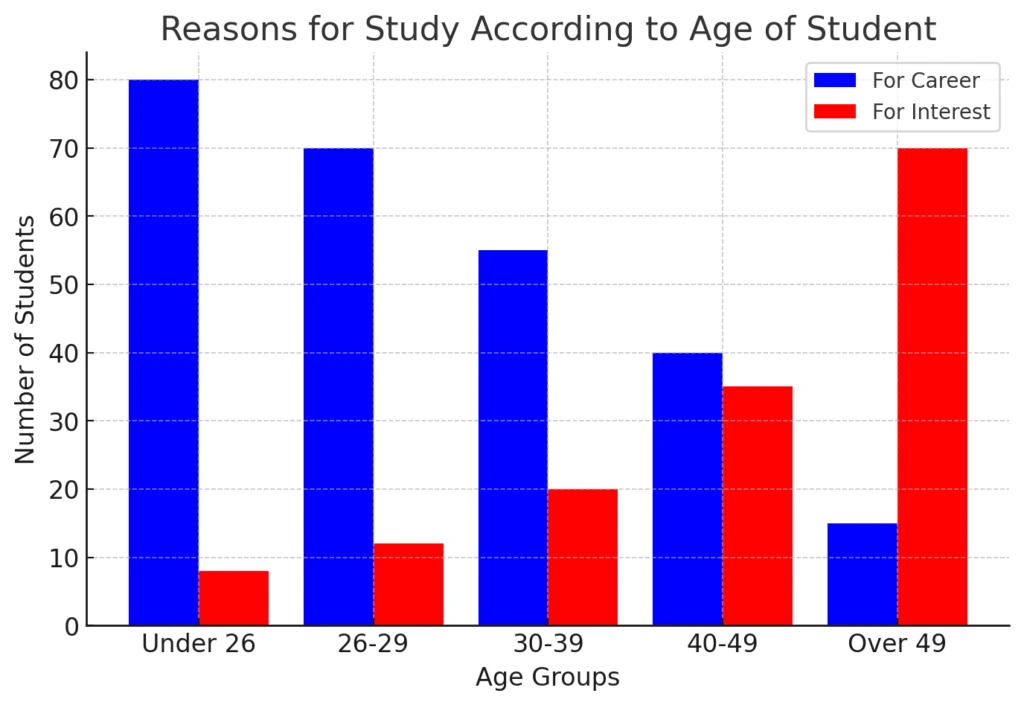
Shows data comparisons across categories. Focus on highest/lowest values and trends.
Shows changes over time. Highlight increases, decreases, and patterns.
pte describe image picture
Pie Chart
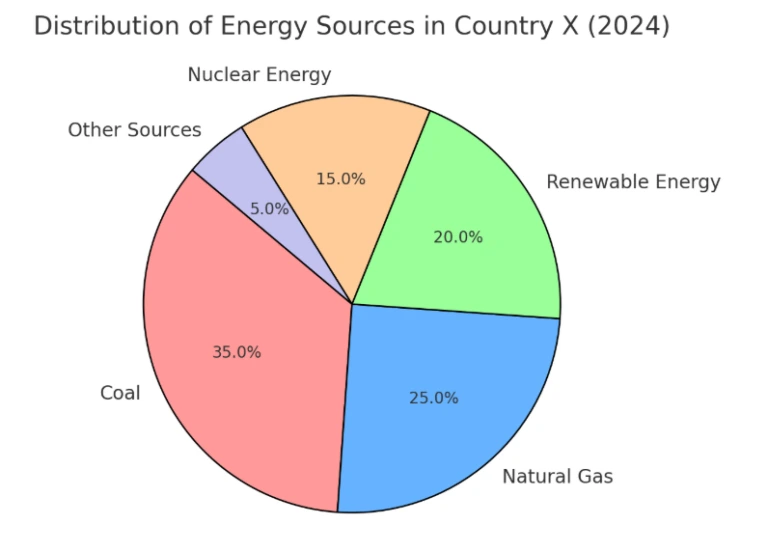
Displays proportions of a whole. Emphasize largest and smallest segments.
describe image template
Map
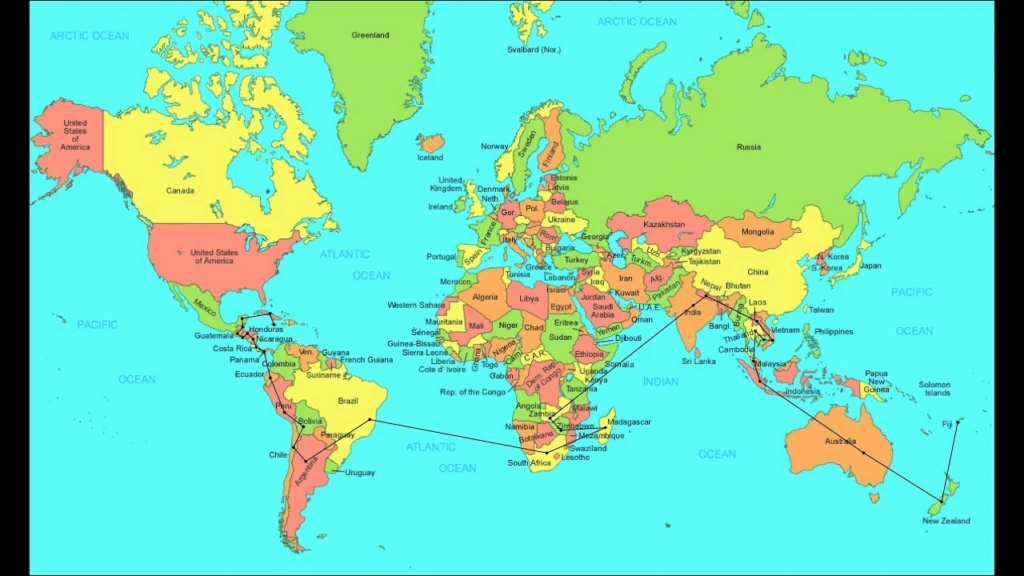
Shows geographic data or locations. Mention direction, regions, or density.
pte describe image picture
Diagram
Represents processes, relationships, or systems. Focus on main components and flow.
describe image template
Photograph
Captures real-life scenes or activities. Describe objects, people, and context.
pte describe image picture
Why Templates are Important (But Not Everything)
Using templates in PTE Describe Image can provide candidates with a clear structure for their responses, helping to organize ideas quickly and speak confidently within the limited preparation and speaking time. A well-designed describe image PTE template ensures you cover all essential components—opening sentence, main features, comparisons, and conclusion—without losing track under exam pressure. Templates are especially helpful for first-time test-takers or those struggling to structure their speech efficiently.
However, relying too heavily on memorized scripts can backfire. Over-memorization may result in robotic speech, reduce your content score, and make it difficult to adapt to the unique details of each visual. The latest 2025–2026 PTE trends emphasize natural, fluent speech rather than rigidly repeated templates. Candidates are now evaluated on how well they interpret visuals in real-time and present them logically, making flexibility crucial.
Provide structure under time pressure: Using a describe image PTE template helps organize your response into opening, main features, comparison, and conclusion, ensuring you speak confidently within 25 seconds of preparation and 40 seconds of speaking time.
Help maintain focus: Templates guide you to include key points without getting lost in irrelevant details, which is especially useful for first-time test-takers.
Avoid over-memorization: Relying too heavily on scripts can make your speech sound robotic and reduce your content score.
Adapt to exam trends (2025–2026): Recent PTE evaluations favor natural, fluent speech over rigidly memorized responses. Flexible, real-time interpretation of visuals is now essential.
Use templates as guides, not scripts: A PTE template describe image should be adapted for each image. Practice using templates with a variety of visuals to improve fluency, relevance, and content accuracy.
Step Universal Template for All Image Types
Using a structured template can help you deliver a clear and fluent response for any PTE Describe Image task. The following 4-step universal template works for all image types and ensures you cover all scoring criteria:
Step 1: Opening Sentence (Identify Image Type) Begin by clearly stating what type of visual you are describing. This immediately shows the evaluator that you understand the task. Examples:
“This bar chart illustrates…”
“This pie chart shows proportions of…”
“This map displays…”
Step 2: Main Features (Highlight Trends, Highest/Lowest, Patterns) Focus on 2–3 key observations that stand out. Avoid trying to describe every detail. Examples:
“Series A increased steadily from 10 to 50 units, while Series B remained stable.”
“The largest segment represents 40%, whereas the smallest is only 5%.”
Step 3: Compare or Explain (Add Analysis, Use Transitions) Make comparisons or explain relationships to show higher-level understanding. Use transitional phrases for fluency. Examples:
“Compared with Group X, Group Y shows a slower increase.”
“In contrast, the southern region has fewer facilities than the northern region.”
Step 4: Conclusion (Summarize Main Insight) End with a concise summary highlighting the overall trend or main observation. Examples:
“Overall, the chart shows a steady increase in sales over the five-year period.”
“Overall, the map highlights significant geographic differences.”
By following this 4-step universal template, you can confidently approach any PTE Describe Image task, structure your response logically, and maximize your content, fluency, and pronunciation scores.
Templates by Image Type
Different image types in PTE Describe Image require slightly different approaches. Using flexible templates helps you structure your response effectively while adapting to any visual. Below are practical, high-scoring examples for each type of visual, including sample sentences and tips for real exam situations.
Bar & Line Graphs
Purpose: Highlight trends, fluctuations, highest/lowest points, and comparisons over time. How to Approach:
Focus on overall trend first (increase, decrease, steady).
Identify significant peaks or drops.
Compare relevant series to show analytical ability.
Sample Template:
Opening: “This line graph illustrates [topic] over [time period].”
Main Features: “[Series A] increased steadily from [value] to [value], while [Series B] remained constant throughout the period.”
Compare/Explain: “In contrast, [Series C] shows a slight decline during the same period.”
Conclusion: “Overall, the graph highlights [main trend or comparison].”
Tips: Use comparative words like higher than, lower than, slightly increased, sharply
Pie Charts
Purpose: Show proportions, percentages, and relative sizes of different categories. How to Approach:
Identify the largest and smallest segments.
Highlight trends or proportions that stand out.
Use comparisons to demonstrate insight
Sample Template:
Opening: “This pie chart represents the distribution of [subject].”
Main Features: “[Category A] is the largest, accounting for [percentage], whereas [Category B] is the smallest at [percentage].”
Compare/Explain: “Compared with [Category C], [Category D] shows a slightly higher share.”
Conclusion: “Overall, the chart shows [main insight or distribution pattern].”
Tips: Avoid reading exact numbers; summarize trends in a concise and fluent manner.
Maps
Purpose: Describe geographic distribution, location differences, and directional patterns. How to Approach:
Note regions with extremes (highest/lowest density or activity).
Use directional language (north, south, east, west).
Compare regions to highlight patterns or trends.
Sample Template:
Opening: “This map illustrates [feature] across [location].”
Main Features: “[Region X] has the highest concentration of [feature], while [Region Y] has the lowest.”
Conclusion: “Overall, the map highlights clear regional differences in [subject].”
Tips: Practice spatial vocabulary and use phrases like in the northern region, centrally located, adjacent to for accuracy.
Photos & Diagrams
Purpose: Describe real-life scenarios, processes, relationships, or actions. How to Approach:
Focus on main subject first.
Mention foreground and background details.
For diagrams, explain processes or relationships logically.
Sample Template:
Opening: “This photo shows [scene/objects/people] engaged in [activity].”
Main Features: “In the foreground, [object/person/action] is visible, while [background details] provide context.”
Compare/Explain: “The diagram illustrates [process/relationship], showing how [part A] affects [part B].”
Conclusion: “Overall, the image highlights [main insight or process].”
Tips: Use precise descriptive words like foreground, background, adjacent, illustrates, demonstrates to improve clarity and score. Avoid overloading with minor details.
Pro Tip for All Image Types:
Templates are guides, not scripts. Practice adapting these templates for different visuals to improve fluency, relevance, and content accuracy. Combining structured templates with natural speech will help you achieve higher Speaking scores in the PTE.
Advanced Tips to Score Higher
To excel in the Describe Image task, it is essential to combine structured practice with natural, fluent speech. Incorporating transitional phrases such as “In contrast,” “Moving on,” and “Furthermore” helps your speech flow smoothly, demonstrating logical organization and improving fluency. Equally important is to speak naturally rather than memorizing scripts. Adapt your templates to the specific image and describe it in your own words, as conversational speech tends to score higher in both content and fluency.
Use transitional phrases: Incorporate connectors like “In contrast,” “Moving on,” and “Furthermore” to make your speech flow smoothly. This improves fluency and demonstrates clear organization of ideas.
Speak naturally, not memorized: Avoid rigidly following a script. Focus on adapting your templates to the specific image and describing it in your own words. Natural, conversational speech scores higher in both content and fluency.
Manage your timing: You have only 25 seconds to prepare and 40 seconds to speak. Practice pacing your response so you cover the main points without rushing or leaving gaps.
Record and review your practice attempts: Listening to your own responses helps identify issues with pronunciation, grammar, and clarity. Adjust your approach based on what you notice to gradually improve your performance.
Focus on clarity and relevance: Always prioritize the main features of the image over minor details. Clear, concise, and structured speech will earn higher scores than long, unfocused descriptions.
By consistently applying these strategies during practice, you can enhance both your confidence and your overall score in the Describe Image task.
Common Mistakes & How to Avoid Them
Many candidates make avoidable mistakes in the Describe Image task that can lower their overall score. One common error is over-detailing. Trying to describe every element in the image wastes time and reduces fluency. It is more effective to focus on the 2–3 most important features or trends, summarizing minor details only if they add value. Another frequent issue is robotic memorization. Relying too heavily on memorized scripts or templates can make your response sound unnatural and negatively impact your content score. Instead, use templates as flexible guides and adapt your words to the specific image.
Over-detailing vs. focusing on main points: Many candidates try to describe every detail in the image, which wastes time and can reduce fluency. Focus on the 2–3 most important features or trends, and summarize minor details only if they add value.
Robotic memorization: Relying too heavily on memorized scripts or templates can make your response sound unnatural and reduce your content score. Instead, use templates as flexible guides and adapt your words to the specific image.
Ignoring time constraints: Failing to manage your 25-second preparation and 40-second speaking time can leave you rushing at the end or skipping key points. Practice with a timer to ensure well-paced, complete responses.
Neglecting structure and transitions: Responses that jump between points without clear connectors may confuse the listener. Use transitional phrases like “In contrast,” “Furthermore,” or “Overall” to maintain logical flow.
By avoiding these common mistakes and practicing structured, adaptable responses, candidates can improve both accuracy and fluency in the Describe Image task.
If you want, I can now create Section 8: Practice Routine / Mock Drills, fully enhanced with detailed exercises and strategies for maximum exam readiness. Do you want me to do that next?
para and points
Here’s Section 8 rewritten with both a concise paragraph and supporting points, making it easy to read and actionable:
Practice Routine / Mock Drills
Consistent practice is essential for mastering the Describe Image task. By combining timed exercises, template adaptation, and self-review, you can improve fluency, accuracy, and confidence. Regular practice helps you manage the 25-second preparation and 40-second speaking limit while ensuring your responses remain clear, structured, and relevant to each image type.
Effective Practice Routine:
Daily Short Drills: Spend 20–30 minutes describing 3–5 images. Focus on identifying key features and using flexible templates.
Timed Speaking Practice: Use a stopwatch to ensure you can cover main points within 40 seconds without rushing.
Weekly Mock Tests: Attempt 10–15 images back-to-back to simulate exam conditions and build endurance.
Record & Review: Listen to your responses to identify areas for improvement in pronunciation, fluency, and content.
Adapt Templates: Practice using the 4-step universal template with different image types to develop flexibility.
By following this structured practice routine, you can steadily improve your performance and maximize your score in the PTE Describe Image task.
Conclusion
Success in the Describe Image task relies on a combination of clear structure, consistent practice, and natural speech. Using templates as flexible guides helps organize your ideas quickly and ensures that you cover the main features, comparisons, and conclusions effectively. However, it is equally important to adapt your response to the specific image rather than relying on rigid scripts. By practicing regularly, timing your responses, and focusing on fluent, accurate descriptions, candidates can confidently approach any image type and achieve higher scores in the PTE Speaking section.
FAQs
1. What is the PTE Describe Image task?
The PTE Describe Image task is part of the Speaking section in PTE Academic. Candidates are shown a visual such as a chart, graph, map, or photograph and must describe the key features clearly. You get 25 seconds to prepare and 40 seconds to speak, and your response is scored based on content, fluency, pronunciation, and oral communication skills.
2. How can templates help in the PTE Describe Image task?
Templates help candidates structure their responses quickly during the exam. A good template usually includes an opening sentence, key features, comparison, and conclusion, making it easier to speak confidently within the limited time.
3. What types of images appear in the PTE Describe Image question?
Common image types include bar charts, line graphs, pie charts, maps, diagrams, and photographs. Each image requires a slightly different approach, but focusing on main trends, comparisons, and overall insights helps create a strong response.
4. How is the PTE Describe Image response scored?
Responses are evaluated based on four main criteria:
Content – Accuracy and relevance of information
Fluency – Smooth and natural speech flow
Pronunciation – Clear articulation of words
Oral Communication Skills – Logical structure and clarity of ideas
5. What are common mistakes in the PTE Describe Image task?
Common mistakes include over-describing minor details, relying too much on memorized templates, poor time management, and lack of transitions between ideas. Focusing on the main features and speaking naturally can help improve your score.
This blog specifically targets candidates preparing for PTE Academic 2026, including students applying for university admission, skilled migration applicants (Australia, UK, Canada), and professionals needing English proficiency for licensing. It explains all PTE changes 2026, PTE new rules, and the latest PTE score update in one complete guide.
The biggest shift in the PTE new update score system is the introduction of hybrid scoring (AI + human oversight), stronger content evaluation, and reduced dependence on memorized templates making the exam more precise and authenticity-driven.
Despite the PTE score update 2026, the overall scoring band (10–90) and migration/university equivalence remain the same. What changed is how responses are evaluated not how scores are interpreted.
New tasks like Summarize Group Discussion and Respond to a Situation require spontaneous communication. Writing tasks now involve clearer content weighting and more structured rubric evaluation under the PTE new rules 2026.
The updated PTE format rewards structured thinking, relevant content, and natural communication. Blind memorization is less effective. Success now depends on skill development, smart strategy, and understanding the updated scoring system.
If you’re preparing for the PTE Academic 2026, it’s essential to know the latest PTE changes, PTE new updates, PTE score update, and PTE new rules especially because the exam format and scoring logic have evolved significantly from previous years.
This guide gives you a clear, practical overview of what’s new, why Pearson made these changes, when they came into effect, who must follow the new system, and what it means for your preparation strategy.
Why Pearson Updated the Exam
Pearson PTE has progressively revised the PTE Academic exam to ensure it reflects real-world English communication and measures true language proficiency more fairly and accurately.
Key reasons for the PTE new changes 2026 include:
Enhancing the test’s ability to assess natural spoken and written communication.
Reducing reliance on practiced templates by prioritising relevant, original responses.
Introducing a hybrid scoring model where advanced AI and human reviewers evaluate responses together.
Aligning the test with global academic expectations and immigration requirements.
The result is a more authentic, reliable, and fairness-focused PTE Academic exam that rewards real communication skills rather than formulaic answers.
When Did These Changes Come Into Effect?
The major updates to the PTE Academic exam structure, scoring system, and rules were rolled out starting 7 August 2025 and continue into 2026 as the standard format for all new test bookings.
This means: Any test taken on or after 7 August 2025 follows the new system. All score reports from these tests reflect the updated scoring logic.
Even though the central launch was in 2025, the impact and implementation continue into 2026 and beyond, which makes understanding these changes crucial for current test takers.
Who Must Follow the New Format?
Every candidate taking PTE Academic (including PTE UKVI where applicable) after August 2025 must follow the updated test format and scoring rules. This includes people aiming for:
There is no option to take the old format once the new system is in place every new booking and attempt will follow the updated structure and scoring guidelines.
Why Did Pearson Introduce the PTE Update?
The latest PTE changes 2026 were not random adjustments. The PTE update was introduced to improve the quality, fairness, and global credibility of the exam. With increasing global demand for English testing for migration and university admission, Pearson refined the format, scoring logic, and evaluation standards to better measure real English ability.
Below are the key reasons behind the PTE new changes and the recent PTE score update.
1. Shift Toward Real-World Communication
One major reason for the PTE new update was to move beyond formula-based responses and test practical communication skills.
Universities and immigration departments want proof that candidates can:
Participate in discussions
Express opinions clearly
Respond naturally in real-life situations
Understand multi-speaker conversations
The new tasks added under the PTE changes 2026 focus on spontaneous speaking, summarising discussions, and context-based responses. This ensures the exam measures real-world English rather than rehearsed patterns.
2. Prevent Overuse of Memorized Templates
In previous years, many candidates relied heavily on fixed templates to boost scores, especially in Speaking and Writing. While templates provided structure, excessive memorisation sometimes allowed test takers to score without demonstrating genuine language ability.
The PTE new rules and PTE score update address this issue by:
Increasing emphasis on content relevance
Evaluating response quality more strictly
Reducing the effectiveness of generic memorised answers
Under the PTE new update score system, irrelevant or repetitive template responses are less likely to receive high marks, especially with the introduction of human review in certain tasks.
3. Improve Fairness with Hybrid Scoring
Another important reason for the PTE update 2026 is the introduction of hybrid scoring.
Previously, the exam relied almost entirely on AI-based evaluation. While AI remains central, the PTE new changes now incorporate human oversight for selected open-ended tasks.
This hybrid scoring approach:
Enhances accuracy in content evaluation
Reduces scoring anomalies
Improves fairness for high-level responses
Strengthens trust in the PTE score update system
The combination of AI precision and human judgment makes the PTE new update score system more balanced and credible.
4. Align with Global Academic Standards
As more universities and immigration authorities rely on PTE scores, Pearson needed to ensure the exam aligns with international academic expectations.
The PTE changes 2026 help:
Maintain recognition across global institutions
Ensure consistency in score interpretation
Match evolving communication standards in higher education
Support migration authorities with reliable language assessment
By implementing these PTE new changes, Pearson ensures that the test remains competitive with other major English proficiency exams while improving reliability and acceptance worldwide.
PTE New Changes in Exam Structure 2026
The PTE new changes 2026 introduced important structural adjustments across all four skills. While the core format of the test remains the same, the PTE update refined task types, scoring logic, and evaluation standards. Understanding these structural updates is essential if you want to adapt your preparation strategy and avoid losing marks under the PTE new update score system.
Below is a detailed breakdown of how each section has changed.
Updated Speaking Section Changes
The Speaking section has seen some of the most noticeable PTE changes in 2026.
New Tasks Added
Under the latest PTE new changes, two new speaking task types were introduced:
Summarize Group Discussion
Respond to a Situation
These tasks assess real-time thinking, listening comprehension, and spontaneous spoken communication. Unlike older task types that allowed structured preparation, these new formats focus on natural expression and relevance.
This change aligns with the broader PTE update objective of testing practical English skills used in academic and professional environments.
Changes in Scoring Weight
Another important PTE score update relates to how Speaking responses contribute to your overall result.
Some tasks now have refined skill mapping.
Certain tasks contribute more specifically to one primary skill rather than multiple skills.
Content relevance has become more important under the updated evaluation logic.
The PTE new update score system places greater emphasis on response quality rather than simply length or memorized structure.
Fluency vs Content Evaluation
Previously, high fluency could sometimes compensate for weaker content. Under the PTE new rules, this balance has shifted.
Now:
Fluency and pronunciation remain critical.
Content accuracy and relevance are evaluated more strictly.
Generic or off-topic answers are more likely to lose marks.
This adjustment ensures that the PTE changes 2026 reward meaningful communication rather than mechanical speaking speed.
Updated Writing Section Changes
The Writing section has also been significantly impacted by the PTE new changes.
Essay Scoring Scale Expansion
One of the biggest PTE score updates is the expansion of the essay scoring scale.
The scoring band for certain criteria has been expanded.
Content and development now carry clearer weighting.
Organisation and grammar are assessed more precisely.
This refinement makes the PTE new update score more detailed and transparent, especially for higher band candidates aiming for 79+ or 90.
Human Review Addition
A major part of the PTE update 2026 is the introduction of hybrid scoring.
For Writing tasks such as:
Essay
Summarize Written Text
Human oversight is now incorporated alongside AI scoring. This improves:
Evaluation accuracy
Content relevance assessment
Fairness for complex responses
Because of this PTE new rule, overly memorized templates or irrelevant content are less likely to receive high scores.
Reading Section – Any Changes?
Many students ask whether the PTE changes 2026 affected the Reading section significantly.
The answer: structural changes are limited, but scoring refinement applies.
What Changed
Improved skill mapping clarity
Slight adjustments in task distribution
Continued emphasis on vocabulary and contextual understanding
What Did Not Change
Core question types remain largely the same
The section is still computer-based
Overall scoring scale remains 10–90
The PTE score update did not drastically alter Reading tasks, but the evaluation framework now aligns more consistently with overall skill assessment standards.
Listening Section – What’s New?
The Listening section under the PTE new changes 2026 reflects subtle but important refinements.
Key updates include:
Integration of more realistic academic audio scenarios
Stronger emphasis on multi-speaker comprehension
Improved alignment between Listening and Speaking integration tasks
With the addition of tasks like Summarize Group Discussion, Listening now plays a more integrated role in the overall PTE new update score calculation.
The PTE update ensures candidates must demonstrate:
Accurate note-taking
Ability to identify key arguments
Skill in summarizing complex spoken information
New Question Types Explained with Examples
One of the most important PTE new changes 2026 is the introduction of two new speaking tasks. These additions significantly impact preparation strategy and the PTE new update score because they focus on spontaneous communication, content relevance, and real-world listening ability.
Understanding these new tasks deeply will give you a competitive advantage under the latest PTE update.
Summarize Group Discussion – Format & Strategy
This task was introduced under the latest PTE changes to assess your ability to understand and summarise multi-speaker conversations.
Format & Time Given
You listen to a group discussion with 2–4 speakers.
Audio duration: approximately 2–3 minutes.
Preparation time: short note-taking window.
Speaking time: around 2 minutes to summarise verbally.
This task integrates Listening + Speaking and directly impacts your PTE score update, especially content and coherence evaluation.
Sample Scenario
You hear a university discussion where:
Student A supports online exams.
Student B argues that in-person exams are more reliable.
Student C discusses technical challenges.
The professor summarizes concerns about fairness and accessibility.
You must summarise the main viewpoints, key arguments, and the overall conclusion in a clear, structured spoken response.
What Examiners Look For (Under the New Scoring System)
Under the PTE new update score system, examiners evaluate:
Accurate identification of key points
Logical organisation of ideas
Clear summarisation without unnecessary details
Balanced coverage of multiple speakers
Natural fluency and pronunciation
Content accuracy now carries stronger importance due to hybrid scoring in the PTE new rules.
Common Mistakes
Many candidates lose marks in this task due to:
Focusing only on one speaker
Adding personal opinions
Repeating sentences from memory
Speaking too fast without structure
Ignoring the conclusion of the discussion
Because of the PTE score update, irrelevant or incomplete summaries are penalised more strictly than before.
Respond to a Situation – Format & Strategy
This task is designed to test real-life spoken communication. It is one of the most practical additions in the PTE new changes 2026.
Real-Life Scenario Examples
You may receive prompts like:
Your classmate missed an important lecture. Explain the key points to them.
You received a damaged product. Call customer support and describe the issue.
Your team member is late with a project. Discuss how to handle the situation.
These scenarios test spontaneous speaking ability under realistic conditions, aligning with the objectives of the PTE update.
Ideal Response Structure
To score well under the PTE new update score, follow this simple structure:
Briefly introduce the situation
Clearly explain the issue or context
Provide relevant details
Suggest a solution or conclusion
Keep your tone natural and conversational. Avoid robotic template-based responses, as the PTE new rules prioritise authenticity.
Scoring Criteria
Under the updated PTE score update system, scoring focuses on:
Relevance to the situation
Clear communication of purpose
Logical sequencing of ideas
Fluency and pronunciation
Appropriate vocabulary
Content carries more weight now, meaning memorized, unrelated templates are less effective under the PTE changes 2026.
Mini Practice Sample
Prompt: Your colleague forgot to submit an assignment on time. Call them and explain the consequences while suggesting a solution.
Model Response Example:
“Hi, I wanted to let you know that the assignment deadline has already passed. The professor mentioned that late submissions may receive reduced marks unless there is a valid reason. I suggest you email the professor immediately to explain your situation and request an extension. It would also help to attach your completed assignment to show that you have finished the work.”
This response:
Clearly explains the situation
Identifies consequences
Suggests a solution
Maintains logical flow
That is exactly what the PTE new update score system rewards
PTE New Update Score – Does the 10–90 Scale Change?
One of the most common questions students ask after the PTE changes 2026 is whether the PTE new update score has altered the overall scoring scale.
The clear answer: No, the 10–90 score scale remains the same.
However, while the score range has not changed, the way marks are calculated and distributed under the PTE score update has become more refined and content-focused.
Score Scale Remains 10–90
Under the latest PTE new update score system, the overall scoring band is still:
Minimum score: 10
Maximum score: 90
Score increments: Whole numbers
This means:
A 65 in 2026 represents the same level of proficiency as before.
A 79+ target for migration or university requirements remains unchanged.
There is no conversion shift or re-scaling of overall bands.
The PTE update does not affect how institutions interpret the numeric score.
No Change to Overall Band Equivalence
Another important clarification under the PTE score update 2026:
There is no change to score equivalence or recognition.
Universities continue to accept the same score benchmarks.
Immigration authorities maintain existing language requirement thresholds.
Professional bodies still follow the same score requirements.
In simple terms, the PTE new update score improves scoring accuracy but does not change what a particular band represents in practical terms.
Enabling Skills Impact Under the New Scoring System
Although the 10–90 scale remains the same, the PTE new changes affect how enabling skills influence your final result.
Enabling skills include:
Grammar
Vocabulary
Fluency
Pronunciation
Spelling
Written discourse
Under the PTE score update, these enabling skills:
Continue to support overall performance
Influence integrated task outcomes
Reflect consistency across sections
However, content relevance now plays a stronger role. This means that strong fluency or grammar alone may not fully compensate for weak task response or missing key points.
The PTE new update score system emphasizes balance:
Clear structure
Accurate content
Logical development
Consistent language control
PTE Score Report Changes (2026 Update)
One important part of the PTE score update 2026 that many competitors overlook is the improvement in the score report itself. While the overall 10–90 scale remains unchanged, the way results are presented has become clearer and more transparent under the latest PTE new update score system.
The goal of these updates is to help candidates better understand their performance, rather than just viewing a final number.
Improved Feedback Clarity
Under the recent PTE changes, score reports are designed to provide clearer interpretation of results.
Improvements include:
More structured presentation of overall and communicative skills
Clearer separation between core skills and enabling skills
Better explanation of performance bands
Reduced ambiguity in score distribution
This means candidates can now more easily identify which section contributed most to their overall PTE score update.
More Transparent Scoring
Transparency has been a key focus of the PTE new update score system.
With hybrid scoring (AI + human review) introduced in certain tasks, the reporting framework has been refined to:
Reflect more accurate content evaluation
Align task performance directly with skill contribution
Reduce confusion about how integrated tasks impact multiple skills
The updated score reporting logic makes it easier to understand how your Speaking, Writing, Reading, and Listening scores were calculated under the new PTE update.
Better Breakdown of Strengths & Weaknesses
One of the most valuable improvements in the PTE score update 2026 is enhanced diagnostic insight.
More balanced reflection of content vs technical accuracy
This allows candidates to:
Identify specific weaknesses
Adjust preparation strategies
Focus on targeted improvement areas
Avoid unnecessary retakes
Under the PTE new changes, understanding this breakdown is critical because content relevance plays a stronger role than before.
Example of Updated Score Report Structure
While the overall format remains familiar, the refined structure typically includes:
Overall Score (10–90)
Communicative Skills:
Listening
Reading
Speaking
Writing
Enabling Skills:
Grammar
Oral Fluency
Pronunciation
Spelling
Vocabulary
Written Discourse
The PTE new update score system ensures that each of these components reflects performance more accurately, especially after the introduction of hybrid scoring and rubric adjustments.
Why This Matters
The improvements in the PTE score report are not just cosmetic. They help candidates:
Interpret results with greater confidence
Understand how integrated tasks influence final outcomes
Prepare more strategically for retakes
In summary, the PTE score update 2026 enhances not only how scores are calculated, but also how they are communicated giving candidates clearer, more actionable insights into their performance.
PTE New Rules You Must Follow in 2026
The PTE new rules 2026 reflect the most recent updates introduced under the broader PTE changes 2026 and the refined PTE new update score system. While the exam still follows the same 10–90 scale, the way responses are evaluated and monitored has become more structured and content-focused.
If you are taking the test in 2026, these are the key rules you must understand to protect your PTE score update.
Template Usage Rules (2026 Update)
Under the PTE new rules 2026, template overuse is one of the biggest risks for candidates.
Why Memorized Templates Are Risky Now
In previous years, many students relied on fixed templates for:
Describe Image
Retell Lecture
Essay
Summarize Written Text
However, under the updated PTE new update score system, content relevance and idea development are evaluated more strictly.
If your response:
Sounds repetitive
Ignores key points in the prompt
Contains generic filler sentences
Follows an identical memorized structure
Your score may be negatively affected.
Templates are not officially banned, but under the PTE score update 2026, irrelevant memorized content is far less effective than structured, adaptive responses.
Human Review Impact (Hybrid Scoring 2026)
A major part of the PTE changes 2026 is the continued use of hybrid scoring.
Certain open-ended tasks now include human oversight alongside AI evaluation. This strengthens:
Content validation
Logical flow assessment
Relevance checks
Authenticity evaluation
Because of this, the PTE new rules discourage mechanical, over-rehearsed responses. Human oversight makes it easier to identify content that does not genuinely respond to the task.
The PTE new update score now reflects both technical accuracy and meaningful communication.
Speaking Authenticity Requirements (2026)
Under the updated PTE new rules 2026, authenticity in speaking is more important than ever.
To maintain a strong PTE new update score, you must:
Speak naturally without sounding robotic
Maintain logical structure
Avoid unnatural speed
Stay directly relevant to the task
Demonstrate clear pronunciation
Fluency remains important, but the PTE score update 2026 places stronger weight on content quality. Speaking quickly without meaningful content will not secure a high score.
The exam now rewards clarity, coherence, and real communication ability.
Time Management Rules
Time control remains critical under the latest PTE update.
Key rules include:
Strict response time limits per task
Automatic cut-off when time expires
Limited preparation time before speaking
Word count expectations in writing tasks
Under the PTE new update score system, incomplete responses lose valuable content marks.
To adapt to the PTE changes 2026, candidates must:
Practice delivering structured responses within time limits
Avoid over-speaking in shorter tasks
Manage writing length efficiently
Use preparation time strategically
Time management now directly affects scoring outcomes.
Test Day Rules & ID Requirements (2026 Standards)
The PTE new rules 2026 continue to enforce strict test-day procedures.
Candidates must:
Bring valid passport or accepted ID (as per booking country rules)
Ensure name matches exactly with booking detail
Complete biometric verification
Follow test center security instructions
Important reminders under the updated PTE rules:
No electronic devices allowed inside the test room
Late arrival may lead to cancellation
ID mismatch may result in disqualification
These administrative rules remain strict and can impact your ability to receive a valid PTE score update.
PTE Old vs New Format Comparison 2026
With the latest PTE changes 2026, Pearson has refined scoring logic, strengthened hybrid evaluation, and tightened content assessment standards. While the structure remains familiar, the PTE score update 2026 focuses more on authenticity, relevance, and academic communication quality.
Below is a detailed PTE old vs new format (2026) comparison:
Feature
Old Format
New Format (2026)
Duration
Around 2 hours (post-2023 revision)
Around 2 hours (no major duration change in 2026)
Task Types
Standard Speaking, Writing, Reading, Listening tasks
Same core task types, but clearer task flow and refined evaluation standards
Scoring System
Fully AI-based scoring
Hybrid scoring (AI + selective human oversight for flagged responses)
Rubrics
Broader band descriptors
Updated rubrics with clearer content scoring and idea development focus
Content Evaluation
Heavy emphasis on fluency and structure
Stronger emphasis on relevance, logic, and meaningful content
Template Impact
Templates commonly used and effective
Overused or irrelevant templates may reduce score under PTE new update score 2026
Human Review
Minimal oversight
Selective human quality checks under hybrid scoring model
Enabling Skills Role
Indirect contribution to overall score
More structured impact on overall score under PTE score update 2026
Score Scale
10–90 scale
10–90 scale (no change to band equivalence)
What This Means in 2026
The PTE new update score 2026 does not change the format dramatically. Instead, it improves:
Scoring transparency
Content validation
Academic standard alignment
Fairness in borderline cases
The exam feels similar, but evaluation is more precise.
Is the New PTE Harder Than Before?
This question ranks highly among candidates preparing under the PTE changes 2026.
The practical answer: It is not harder, but it requires smarter preparation.
More Thinking Required
Under the PTE score update 2026, candidates must:
Address the task directly
Develop clear and logical ideas
Avoid generic responses
Demonstrate real comprehension
Surface-level fluency without meaningful content may not secure a high score anymore.
Less Template Dependency
The PTE new rules 2026 reduce the effectiveness of blind memorization.
Earlier strategy:
Fixed essay templates
Universal Describe Image structure
Pre-built Retell Lecture phrases
Now under the updated PTE new update score system:
Content relevance is checked more strictly
Repetition patterns are monitored
Human oversight may review flagged answers
Strategic structure is still helpful, but rigid memorization is risky.
Slightly Higher Cognitive Demand
The exam duration remains about 2 hours. However:
Content scoring is more detailed
Idea development matters more
Task engagement is evaluated carefully
This creates a perception of higher difficulty, though the structure remains unchanged.
But More Accurate Scoring
The biggest advantage of the PTE score update 2026 is improved accuracy.
Hybrid scoring helps:
Reduce scoring inconsistencies
Improve fairness in content evaluation
Align scores better with real academic English ability
Strong communicators may actually benefit under the new evaluation model.
How to Prepare for PTE After the New Changes (2026)
After the latest PTE changes 2026, preparation must focus more on content relevance, structured thinking, and authentic communication. The updated PTE score update 2026 and hybrid scoring model reward real academic ability rather than heavy template memorization.
Your preparation strategy should depend on your target score band.
Preparation Strategy for 50–65 Score Target
This range is typically required for diploma programs, some bachelor admissions, and certain visa pathways.
Under the PTE new update score 2026, candidates in this band should focus on building strong fundamentals.
1. Strengthen Core Enabling Skills
Basic grammar accuracy
Sentence structure control
Common academic vocabulary
Clear pronunciation
Grammar errors now directly impact scoring under the refined rubrics.
2. Master High-Weight Tasks Focus heavily on:
Read Aloud
Repeat Sentence
Describe Image
Summarize Written Text
Write Essay
These tasks significantly influence your overall score in the updated scoring system.
3. Improve Listening Accuracy
Practice dictation daily
Work on spelling accuracy
Train concentration for longer audio clips
4. Controlled Template Use You may use structured frameworks, but ensure:
Content matches the prompt
No irrelevant memorized lines
Natural delivery in speaking
For this band, consistency is more important than complexity.
Preparation Strategy for 65–79 Target
This range is common for skilled migration and university admission.
Under the PTE score update 2026, this band requires balanced performance across all four modules.
1. Focus on Content Development
Add meaningful details in essays
Develop logical flow in Retell Lecture
Summarize key points accurately
Content scoring is stricter under the hybrid model.
2. Improve Fluency + Meaning Together Earlier, fast speech could secure marks. Now:
Speak naturally
Avoid robotic rhythm
Maintain clarity and structure
3. Reduce Template Dependency Rigid templates may limit your score in 2026. Instead:
Use adaptable structures
Personalize examples
Stay fully relevant to the task
4. Target Weakest Module At this level, one weak module can reduce the overall score. Analyze mock test reports carefully and improve low-performing tasks.
To move from 65 to 79+, you must improve precision, not just practice volume.
Preparation Strategy for 79+ / 90 Target
Scoring 79+ or aiming for a perfect 90 under the PTE new update score 2026 requires near-academic proficiency.
1. Advanced Grammar & Vocabulary Control
Complex sentence structures
Accurate academic vocabulary
Strong coherence devices
Small grammar errors can prevent 79+ under refined rubrics.
Hybrid scoring increases scrutiny on argument development.
3. Speaking: Authentic & Structured For 79+/90:
Natural intonation
Clear pronunciation
No hesitation clusters
Strong idea organization
Speed without clarity will not secure top scores under the PTE changes 2026.
4. Perfect Dictation & Listening Accuracy Write From Dictation is crucial at this level.
Practice daily
Focus on spelling accuracy
Maintain concentration until the final word
5. Mock Tests Under Real Conditions Simulate:
Full 2-hour exam
No breaks
Strict time management
High scorers treat practice like the real test.
How the PTE Update Affects Australian PR & University Admission (2026)
With the latest PTE changes 2026 and the refined PTE score update 2026, many candidates planning for Australian PR or university admission are asking whether the new format impacts acceptance or migration points.
Here is a clear breakdown.
Australia Accept the New PTE Score Format
Yes. Australia fully accepts the updated PTE format.
The PTE new update score system focuses on scoring accuracy and fairness. It does not modify:
Visa eligibility criteria
PR point system
University minimum score requirements
What This Means for PR & University Applicants
The 2026 PTE update affects how your English is assessed, not whether your score is accepted.
In fact, the refined scoring system may benefit candidates who:
Demonstrate genuine communication skills
Provide strong content relevance
Show logical idea development
For Australian PR and university admission, the key takeaway is simple:
The 10–90 scale remains the same
Recognition remains unchanged
Migration points remain unaffected
Only scoring precision has improved
Candidates preparing for Australian PR or higher education in 2026 can confidently take the updated PTE Academic without concern about acceptance or policy changes.
Should You Take PTE Before or After the Update?
With the PTE changes 2026 and the refined PTE score update 2026, many candidates wonder whether timing matters. Since the 10–90 scale and global acceptance remain unchanged, the real question is strategic: which version suits your preparation style and English ability?
Here is a decision-based breakdown.
Who Benefits from the Updated PTE Format?
You are likely to benefit from the PTE new update score 2026 if:
1. You Have Strong Natural Communication Skills The hybrid scoring model rewards:
Logical idea development
Relevant content
Authentic speaking
Clear structure
If you genuinely understand English rather than memorizing patterns, the new format works in your favor.
2. You Prefer Fairer Content Evaluation The updated scoring system reduces extreme scoring inconsistencies and improves content validation. Strong performers often find the new system more accurate.
3. You Struggle with Robotic Speaking Patterns Earlier, mechanical fluency sometimes secured high scores. Under the PTE score update 2026, natural communication is more effective.
Who May Struggle After the Update?
You may find the updated format challenging if:
1. You Rely Heavily on Fixed Templates The PTE new rules 2026 reduce the effectiveness of memorized content. Overused structures may limit your score if they lack relevance.
2. You Focus Only on Fluency, Not Content Fast speaking without meaningful ideas is less effective under hybrid scoring.
3. You Avoid Analytical Thinking The new evaluation emphasizes:
Addressing the exact question
Developing arguments logically
Staying fully relevant to the prompt
Surface-level responses may score lower.
Strategic Advice for 2026 Test-Takers
Since the updated format is now standard, the better question is how to adapt.
1. Focus on Skill Development, Not Timing There is no scoring advantage in delaying the test. The 10–90 scale and migration equivalence remain unchanged.
2. Use Flexible Structures Instead of Rigid Templates Frameworks are still helpful, but they must be adaptable to the task.
3. Prioritize High-Weight Tasks Tasks like:
Repeat Sentence
Read Aloud
Write From Dictation
Summarize Written Text
Essay
Continue to heavily influence your overall score.
4. Take Full Mock Tests Under Real Conditions Hybrid scoring rewards balanced performance across modules. Train for consistency.
Expert Insights on PTE Changes
Since the implementation of the PTE changes 2026 and the refined PTE score update 2026, trainers and candidates have observed noticeable shifts in scoring behavior, preparation strategy, and overall performance patterns.
Here are expert-level insights based on training trends and student performance data.
Trainer Observations
Experienced PTE trainers have reported the following trends under the PTE new update score system:
1. Content Relevance Is Now Critical Responses that previously scored well due to fluency alone are now receiving more balanced evaluation. Trainers observe that:
Off-topic content reduces marks faster
Repetitive template lines limit scoring potential
Idea development is more closely evaluated
2. Balanced Skill Performance Is Rewarded Under hybrid scoring, uneven performance across modules (e.g., very high Speaking but weak Writing) is more visible in score distribution.
3. Minor Grammar Errors Matter More at Higher Bands For 79+ targets, small grammar and coherence issues are increasingly affecting final outcomes under refined rubrics.
Student Feedback Trends
Students who have taken the updated exam commonly report:
1. The Test Feels More Academic Even though the duration and task types remain the same, many candidates feel:
Writing tasks require clearer argument structure
Retell Lecture needs better logical sequencing
Describe Image requires stronger content focus
2. Speaking Feels Less Template-Friendly Candidates who depended heavily on fixed speaking patterns often report slight score drops compared to mock tests based on older scoring logic.
3. Strong Communicators See Stable or Improved Scores Students with genuine English proficiency and structured preparation often experience:
More consistent module scores
Fewer unexpected scoring drops
Better alignment between mock and real exam performance
Score Fluctuation Patterns After the Update
One of the biggest concerns with any PTE score update is score fluctuation.
Based on 2026 patterns:
1. Reduced Extreme Variations Hybrid scoring appears to reduce unusually high or unusually low scoring outliers.
2. Slight Adjustments in Writing Scores Some candidates report:
Slightly stricter Essay evaluation
More accurate content scoring in Summarize Written Text
3. Speaking Scores Are More Content-Dependent Earlier, high fluency sometimes compensated for weaker content. Now:
Logical idea flow matters more
Relevance impacts scoring stability
Natural delivery is prioritized
Overall Expert Conclusion
The PTE changes 2026 do not make the exam harder, but they make it more precise.
Key insights:
Content is evaluated more intelligently
Template overuse is less effective
Score stability has improved
High scores now require genuine language control
For serious candidates, this shift is positive. The updated PTE new update score 2026 system rewards real communication ability rather than mechanical memorization.
Updated PTE Preparation Checklist
After the latest PTE changes 2026 and refinements in the PTE score update 2026, your preparation approach must align with the updated scoring priorities. Use this practical checklist to ensure you are fully prepared.
PTE Preparation Checklist 2026
Practice all current task types under real exam timing (no outdated formats)
Avoid blind memorized templates; use flexible response structures instead
Use updated mock tests that reflect the PTE new update score 2026 logic
Build full 2-hour exam stamina with complete PTE mock simulations
Review the latest scoring rubrics, especially for Essay and Summarize Written Text
Focus on content relevance and idea development in speaking tasks
Practice Write From Dictation daily for listening accuracy
Analyze score reports carefully to identify weak modules
Train for natural fluency rather than mechanical speed
If your preparation matches the updated scoring expectations, your performance will remain stable under the PTE score update 2026.
Final Verdict
The PTE changes 2026 do not make the exam more difficult. They make it more precise.
Not Harder, Just Smarter
The structure, duration, and 10–90 scoring scale remain unchanged. What has improved is how responses are evaluated. The updated system is designed to reduce inconsistencies and reward genuine performance.
Rewards Real English
The PTE new update score 2026 emphasizes:
Clear idea development
Logical structure
Content relevance
Natural communication
Candidates with authentic language ability often benefit from this shift.
Strategy Over Memorization
Rigid templates are no longer a shortcut to high scores. Smart strategy now includes:
Adaptive response frameworks
Strong grammar control
Accurate listening and spelling
Clear argument structure in writing
Under the new scoring model, structured thinking is more valuable than memorized phrases.
Preparation Must Evolve
To succeed in 2026:
Practice under real exam conditions
Focus on content accuracy
Improve enabling skills consistently
Analyze feedback and refine weaknesses
The PTE score update 2026 signals one clear message: preparation must evolve with the exam.
Candidates who adapt, focus on real communication, and train strategically will continue to achieve their target scores confidently.
Frequently Asked Questions
1. When did the PTE changes start?
Major structural changes to PTE were introduced in late 2023 (shorter format), followed by scoring refinements and hybrid evaluation improvements through 2024–2026.
The PTE changes 2026 mainly focus on scoring precision, content validation, and hybrid scoring enhancement rather than structural redesign.
2. Is PTE harder now?
The exam is not harder in terms of format or difficulty level.
However, under the PTE score update 2026, content relevance and logical development are evaluated more carefully. This makes the exam feel more academic and structured.
Candidates who rely heavily on memorization may find it more challenging, while strong communicators often benefit.
3. Has PTE score calculation changed?
The fundamental scoring scale has not changed. The exam still uses a 10–90 scoring system.
What has changed under the PTE new update score 2026 is:
Hybrid scoring (AI + selective human oversight)
More refined rubrics
Stronger focus on content quality
Score calculation logic is more precise, but the scale remains the same.
4. Are templates banned in PTE 2026?
Templates are not officially banned.
However, under the PTE new rules 2026, overused or irrelevant memorized content can negatively affect your score. Responses must be:
Relevant to the prompt
Logically structured
Naturally delivered
Rigid, repetitive templates are less effective under the updated scoring model.
5. Is the overall score scale still 10–90?
Yes.The PTE score update 2026 does not change the 10–90 scale. Band equivalence for university admission and migration purposes remains unchanged.